Herbalyze
Herbalyze
Herbalyze
My Role
UI/UX Designer
UI/UX Designer
Deliverables
A dynamic photography project incorporating movement, slow shutter speeds, and intentional blur to create abstract storytelling.
Year
2024
Deliverables
A dynamic photography project incorporating movement, slow shutter speeds, and intentional blur to create abstract storytelling.
Year
2024
01
The What
The What
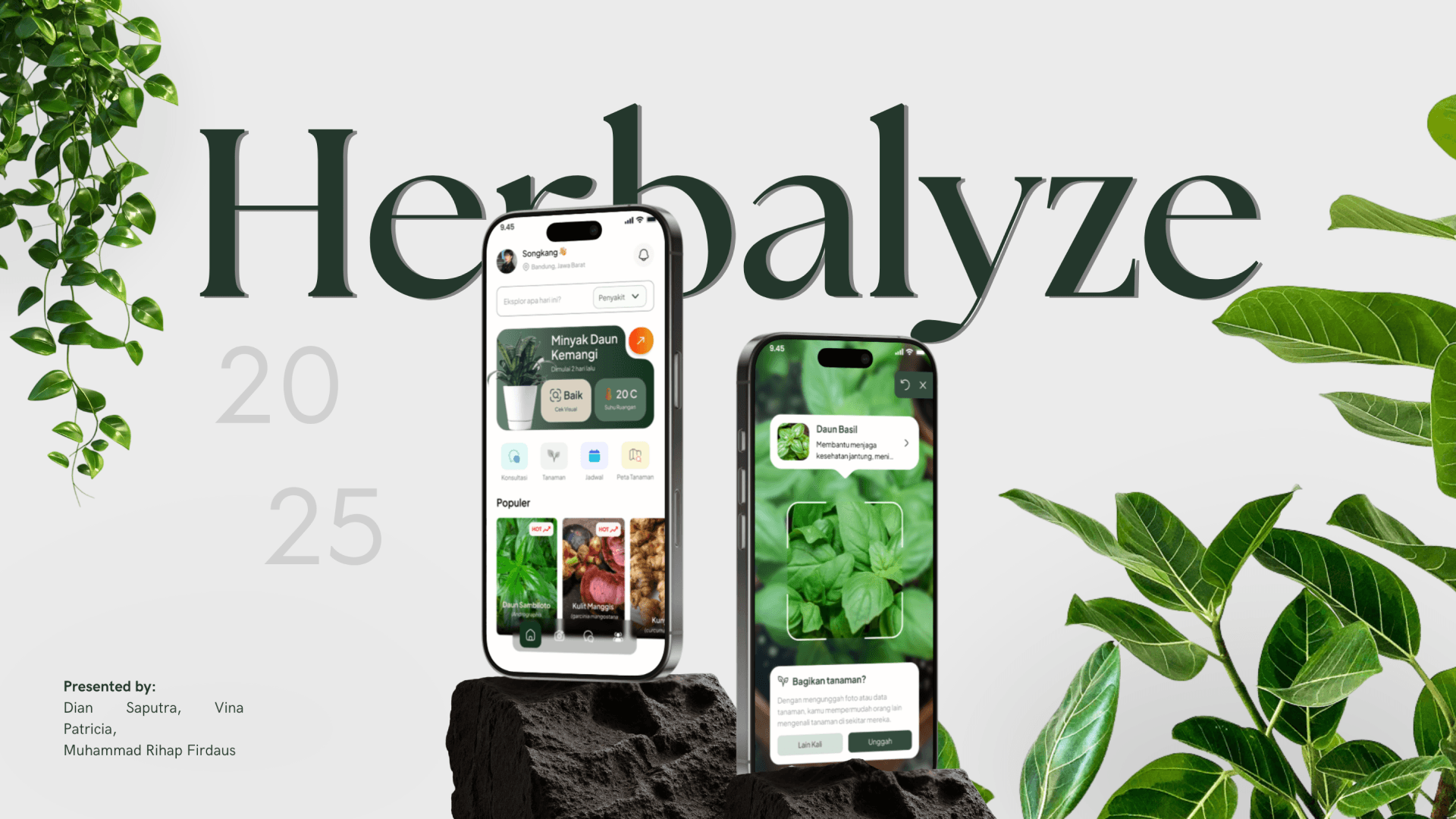
Herbalyze is a mobile platform that helps people easily recognise herbal plants around them and understand their accurate health benefits. Built to address Indonesia’s lack of accessible and trusted herbal knowledge, the app provides visual identification, simple explanations, and safe guidance for everyday users interested in natural remedies.
Herbalyze is a mobile platform that helps people easily recognise herbal plants around them and understand their accurate health benefits. Built to address Indonesia’s lack of accessible and trusted herbal knowledge, the app provides visual identification, simple explanations, and safe guidance for everyday users interested in natural remedies.
Pain
Can’t recognize plant names
Don’t know how to process herbs
Visual similarity between herbs
Lack of reliable digital tools
Pain
Can’t recognize plant names
Don’t know how to process herbs
Visual similarity between herbs
Lack of reliable digital tools
Gain
Clear guidance on how to prepare and use herbs safely
Easily distinguish visually similar herbs
Access to reliable, locally relevant digital tools for herbal information
Instantly recognize herbal plant names accurately
Gain
Clear guidance on how to prepare and use herbs safely
Easily distinguish visually similar herbs
Access to reliable, locally relevant digital tools for herbal information
Instantly recognize herbal plant names accurately
02
The Why
The Why
People are increasingly interested in natural healing, yet they still struggle to identify herbal plants accurately and access trusted, science-backed information. Many herbs look visually similar, online resources are conflicting, and existing plant-ID apps focus mainly on botany, not safe usage, dosage, or real herbal benefits. Users need a reliable, locally relevant tool that helps them recognize herbs through their camera, understand how to use them safely, and avoid misinformation. Herbalyze fills this gap by delivering accurate identification, expert-validated guidance, and a more user-friendly learning experience than current competitors.
People are increasingly interested in natural healing, yet they still struggle to identify herbal plants accurately and access trusted, science-backed information. Many herbs look visually similar, online resources are conflicting, and existing plant-ID apps focus mainly on botany, not safe usage, dosage, or real herbal benefits. Users need a reliable, locally relevant tool that helps them recognize herbs through their camera, understand how to use them safely, and avoid misinformation. Herbalyze fills this gap by delivering accurate identification, expert-validated guidance, and a more user-friendly learning experience than current competitors.
03
The How
The How
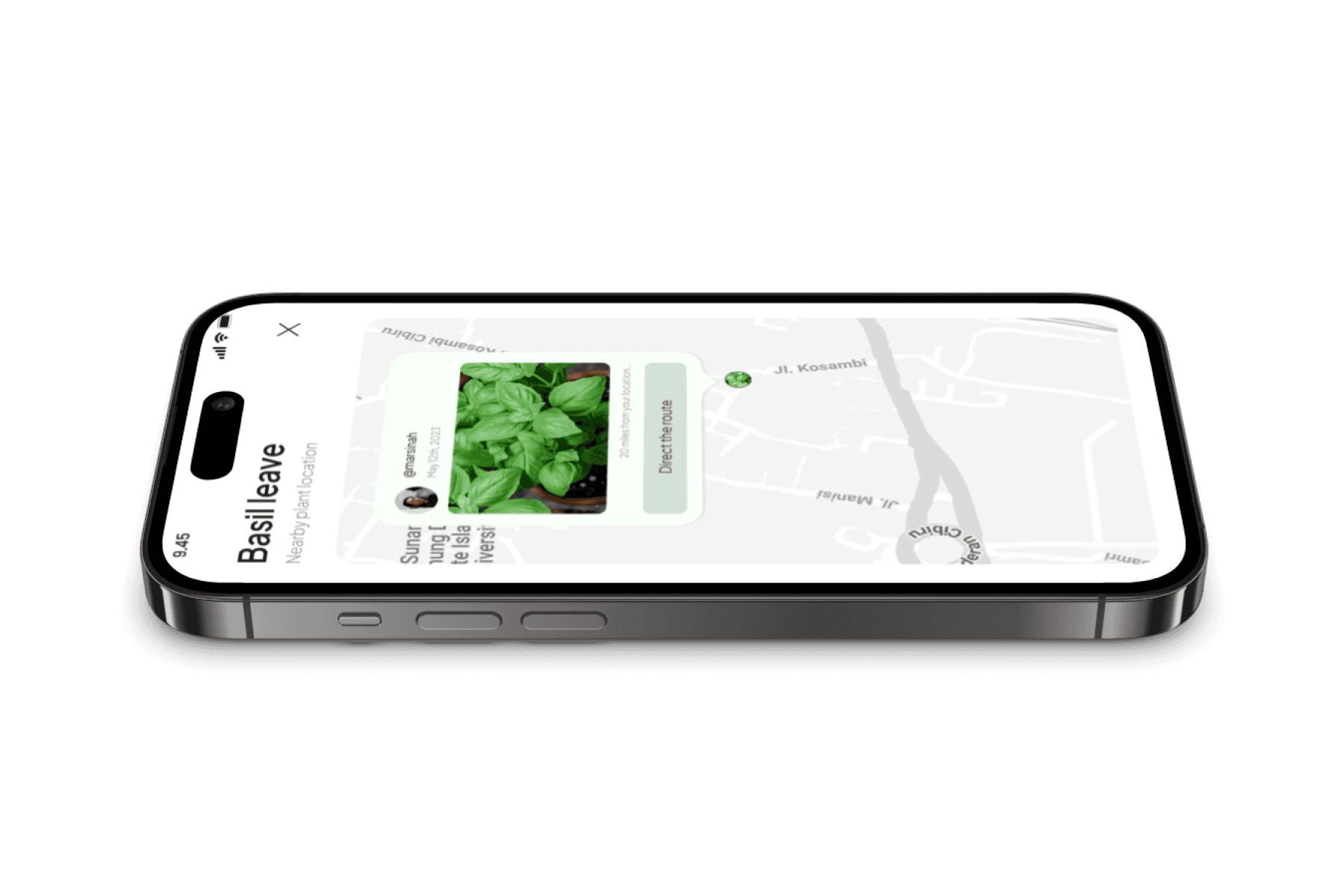
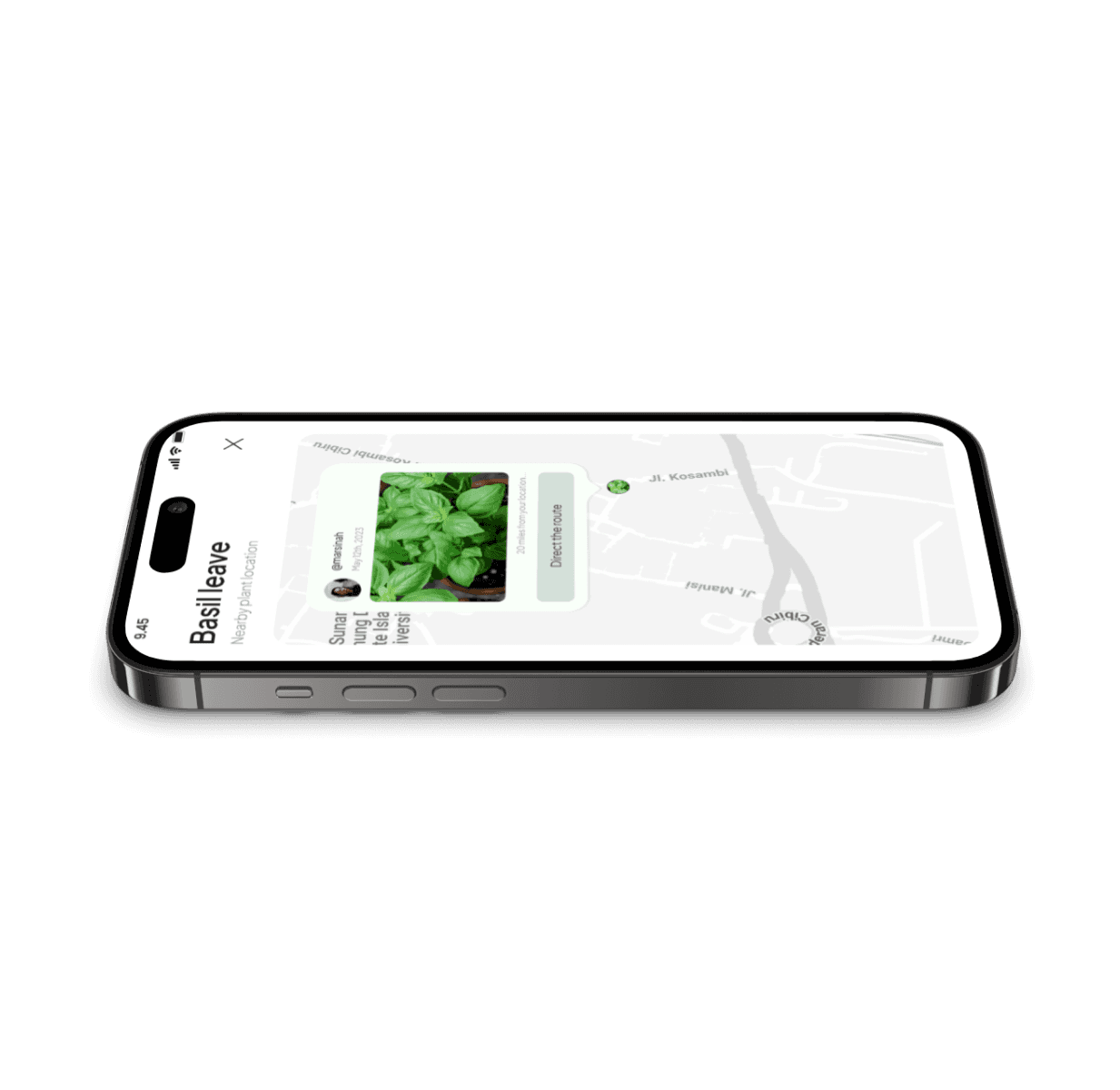
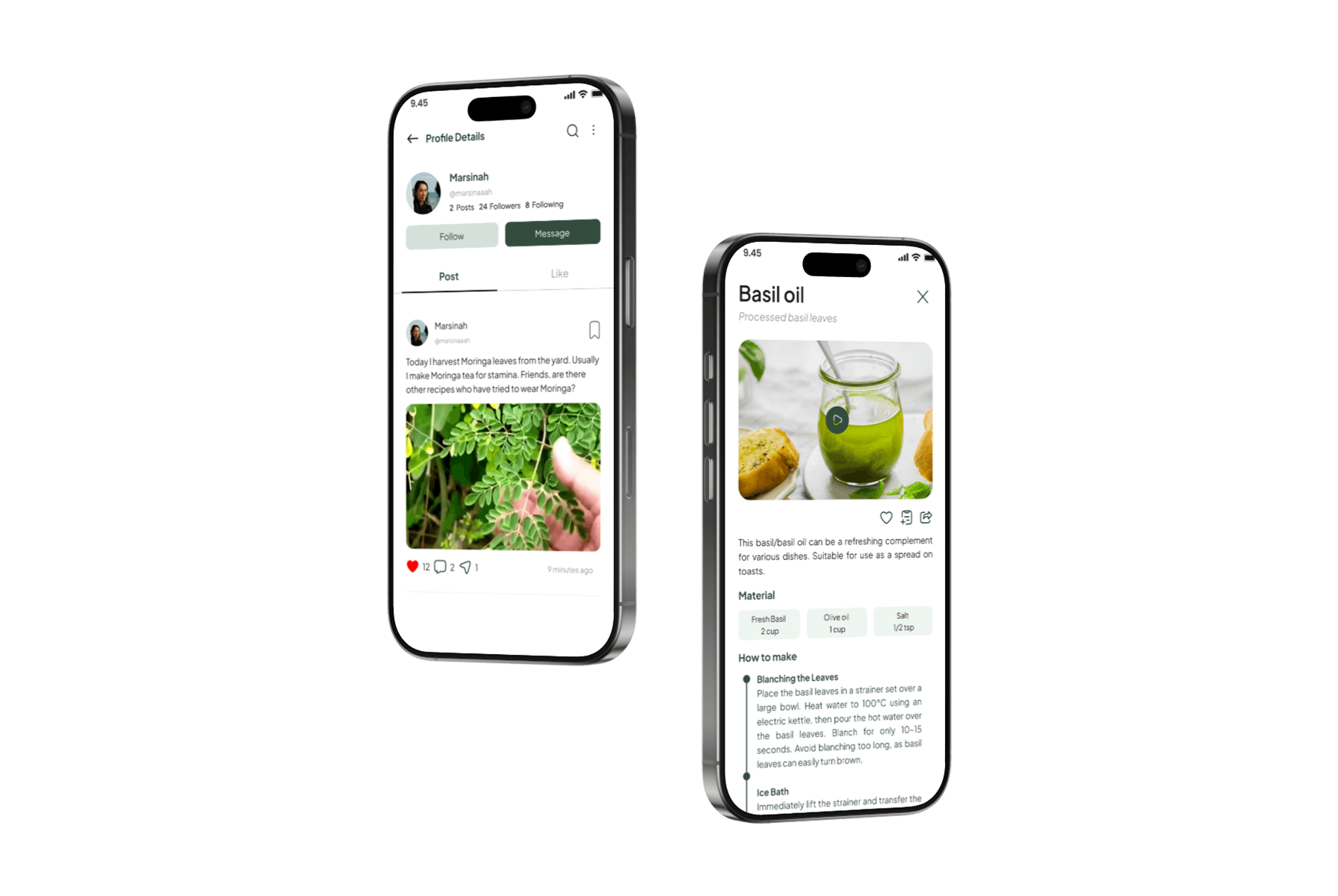
Herbalyze works by combining smart technology with user-friendly design to make herbal knowledge accessible and engaging. Users can instantly identify plants using the Plant Analyzer, explore verified information about their benefits, and follow step-by-step instructions for safe preparation. The app tracks user activities, such as stirring, drying, or storing herbs, to ensure accurate results and healthy plants. Community & Nearby Sharing and the Discussion Forum allow users to connect with other herbal enthusiasts, exchange knowledge, and consult experts or AI assistants for personalized guidance. Meanwhile, Profile & Collections help users organize their discoveries and learning progress, all accessible through a modern, clean, and intuitive interface that keeps users engaged and confident in their herbal journey.
Herbalyze works by combining smart technology with user-friendly design to make herbal knowledge accessible and engaging. Users can instantly identify plants using the Plant Analyzer, explore verified information about their benefits, and follow step-by-step instructions for safe preparation. The app tracks user activities, such as stirring, drying, or storing herbs, to ensure accurate results and healthy plants. Community & Nearby Sharing and the Discussion Forum allow users to connect with other herbal enthusiasts, exchange knowledge, and consult experts or AI assistants for personalized guidance. Meanwhile, Profile & Collections help users organize their discoveries and learning progress, all accessible through a modern, clean, and intuitive interface that keeps users engaged and confident in their herbal journey.
Idea Focus Zone
Idea Focus Zone
Based on the research findings that users struggle with plant identification and safe preparation, our team initiated a brainstorming session focused on defining actionable challenges.
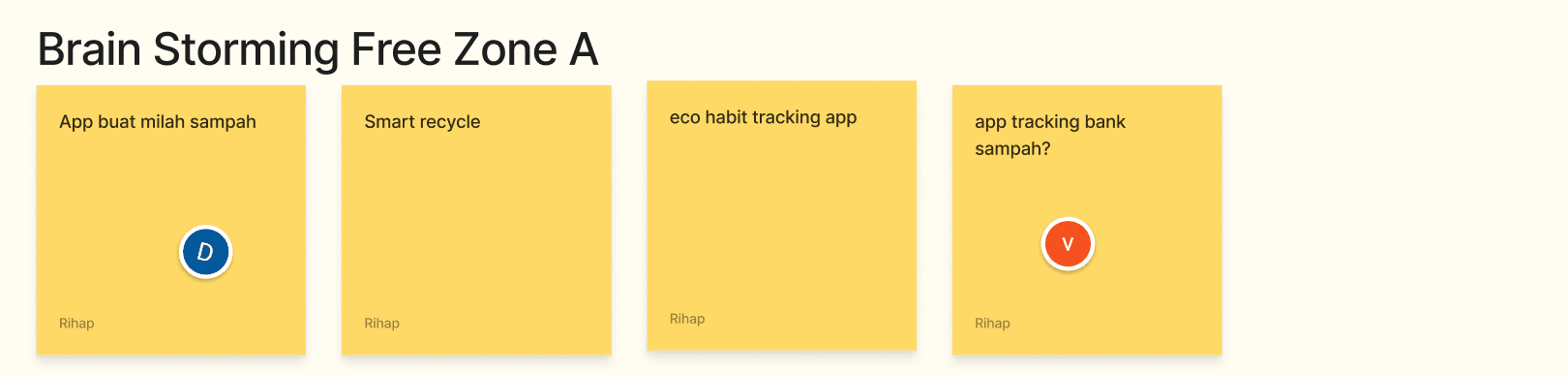
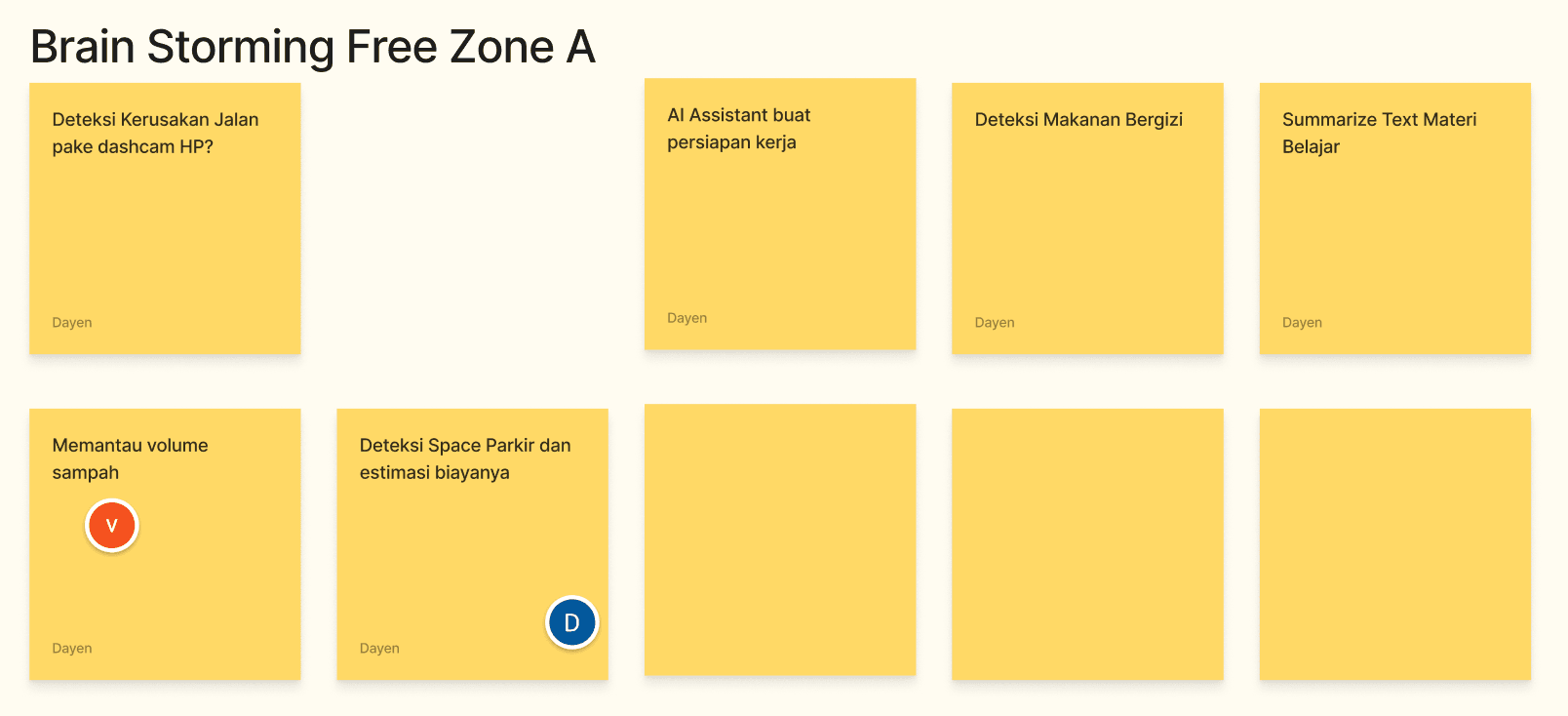
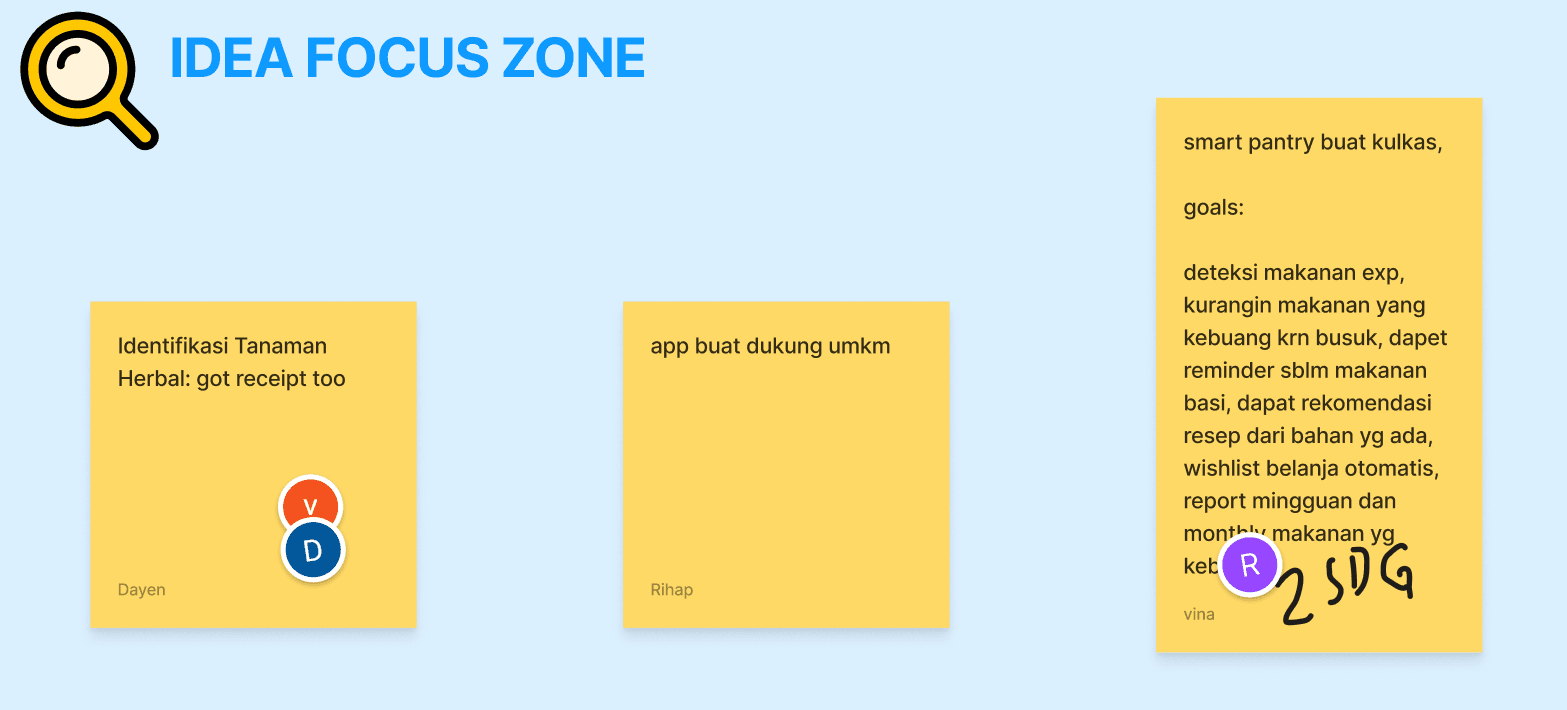
Based on the research findings that users struggle with plant identification and safe preparation, our team initiated a brainstorming session focused on defining actionable challenges.
Ideas to Consider
Ideas to Consider
Next, we listed a wider range of ideas anything potentially valuable, even if not fully formed. At this stage, volume mattered more than perfection. These ideas became raw material that we would refine later.
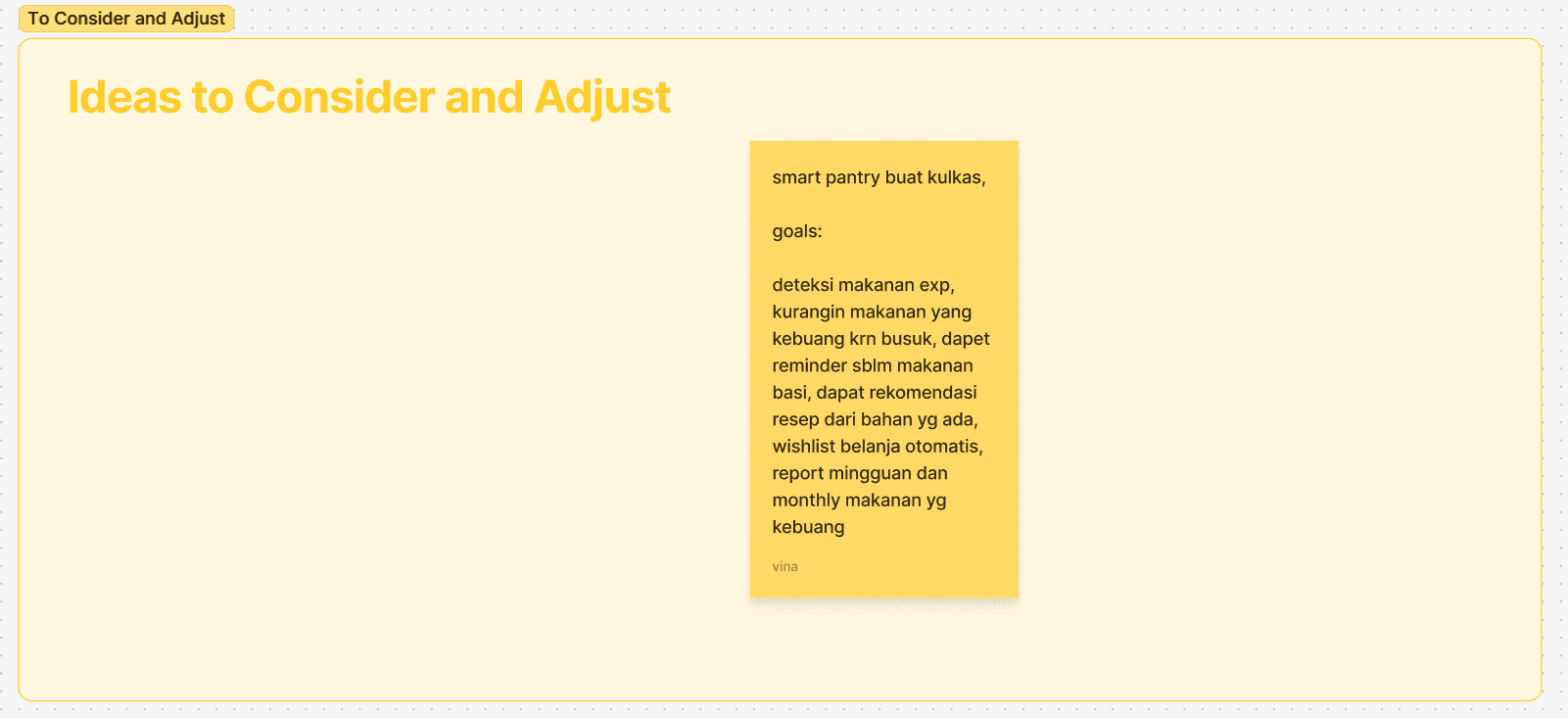
Next, we listed a wider range of ideas anything potentially valuable, even if not fully formed. At this stage, volume mattered more than perfection. These ideas became raw material that we would refine later.
Ideas to Implement
Ideas to Implement
After reviewing feasibility, user value, and resource constraints, we selected the most promising directions.These were ideas that aligned with user needs, could bring real impact, and were achievable within our project scope.
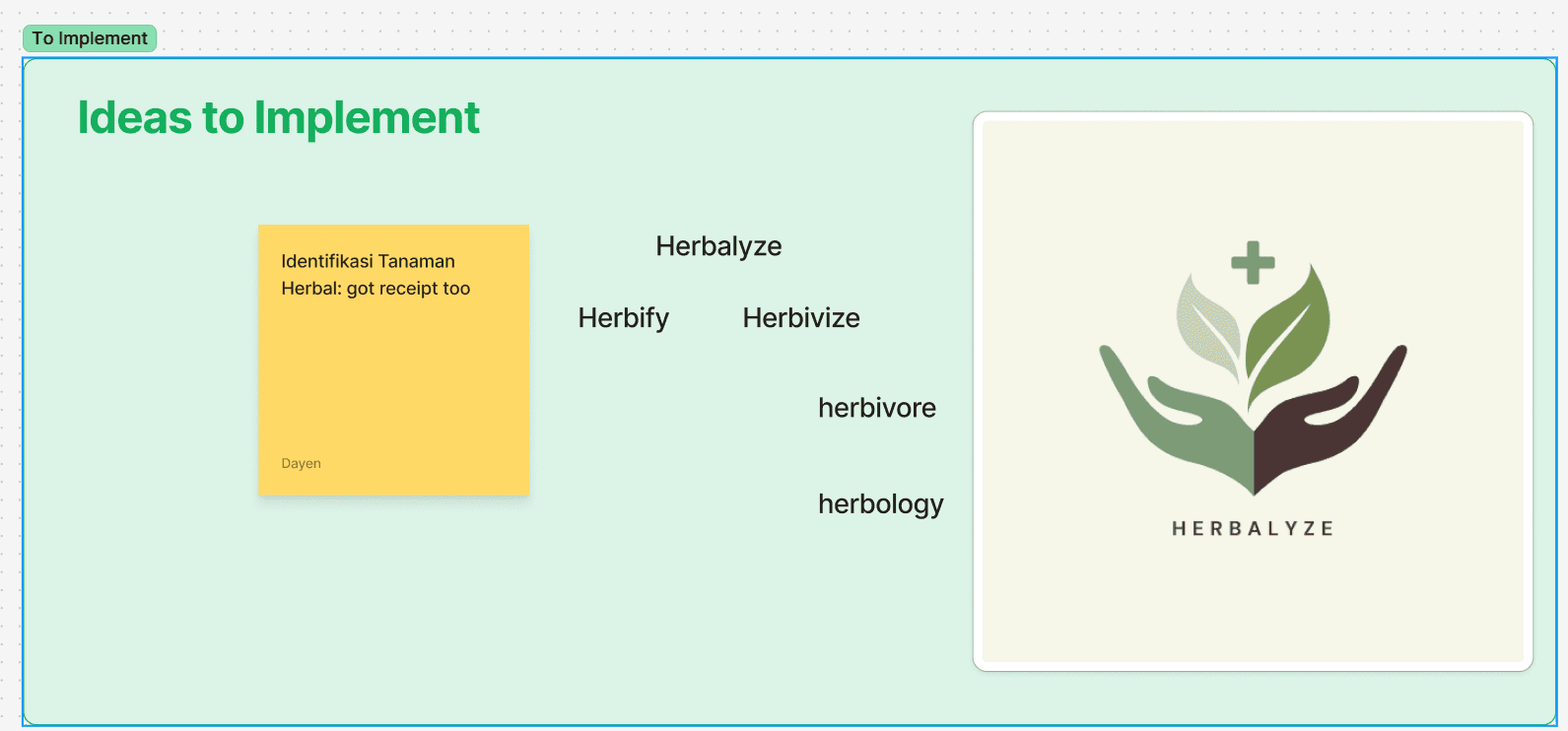
After reviewing feasibility, user value, and resource constraints, we selected the most promising directions.These were ideas that aligned with user needs, could bring real impact, and were achievable within our project scope.
Concerns, Hopes, and Features
Concerns, Hopes, and Features
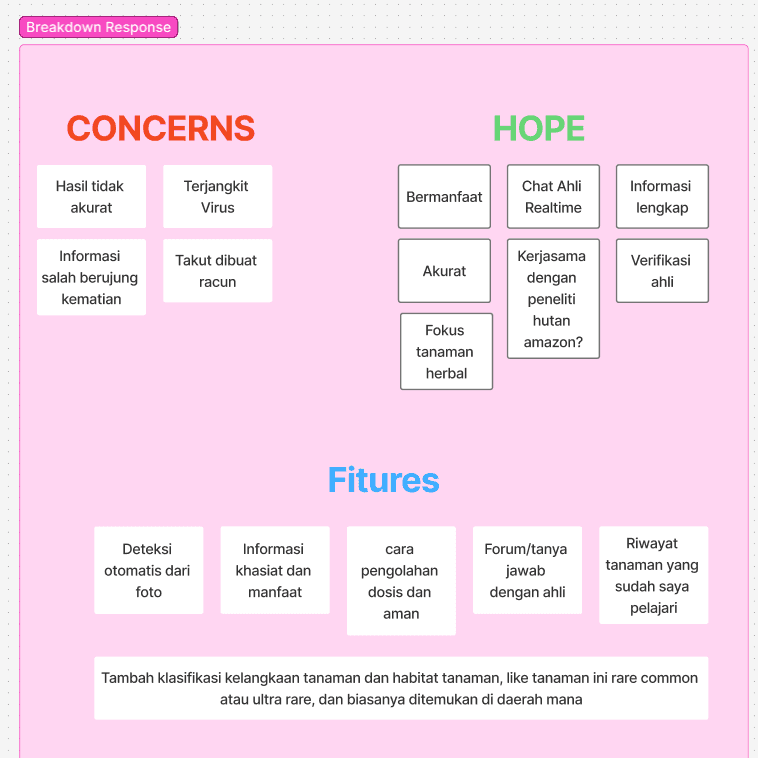
As the ideas matured, several concerns, hopes, and possible features surfaced naturally:
Concerns highlighted risks or potential user frustrations
Hopes expressed what we wanted users to feel or achieve
Feature directions began forming based on bot
This stage helped us stay grounded, balancing creativity with user reality.
As the ideas matured, several concerns, hopes, and possible features surfaced naturally:
Concerns highlighted risks or potential user frustrations
Hopes expressed what we wanted users to feel or achieve
Feature directions began forming based on bot
This stage helped us stay grounded, balancing creativity with user reality.
Crazy 8s
Crazy 8s
To push creativity further, we used the Crazy 8s method. Each of us sketched eight quick concepts in eight minutes forcing rapid thinking and unlocking unexpected ideas.This exercise helped us break patterns and explore more unique approaches that we wouldn't have considered in normal discussions.
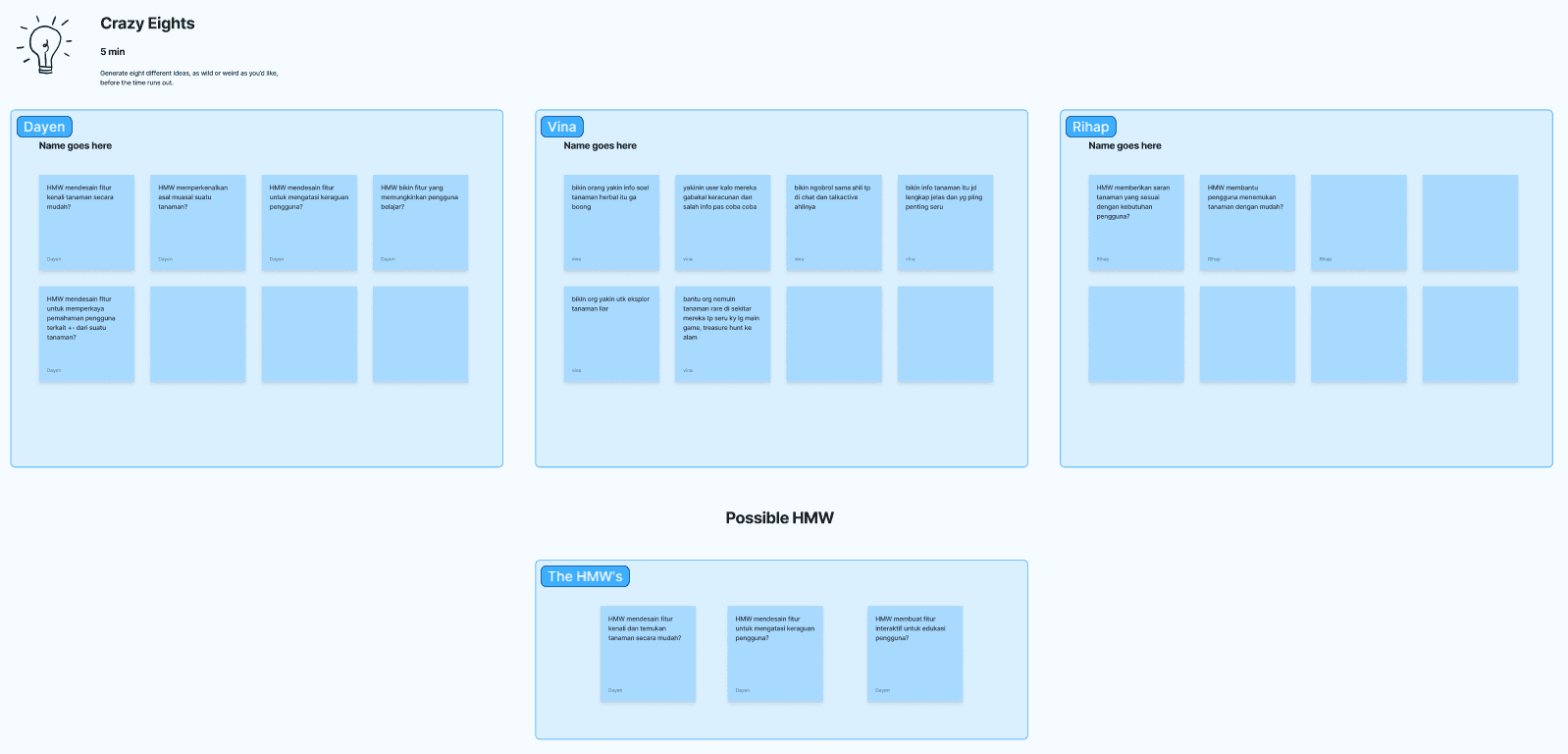
To push creativity further, we used the Crazy 8s method. Each of us sketched eight quick concepts in eight minutes forcing rapid thinking and unlocking unexpected ideas.This exercise helped us break patterns and explore more unique approaches that we wouldn't have considered in normal discussions.
Emerging Possible Features
Emerging Possible Features
To push creativity further, we used the Crazy 8s method. Each of us sketched eight quick concepts in eight minutes forcing rapid thinking and unlocking unexpected ideas. This exercise helped us break patterns and explore more unique approaches that we wouldn't have considered in normal discussions.

To push creativity further, we used the Crazy 8s method. Each of us sketched eight quick concepts in eight minutes forcing rapid thinking and unlocking unexpected ideas. This exercise helped us break patterns and explore more unique approaches that we wouldn't have considered in normal discussions.
Reseach Methods
Reseach Methods
Our team conducted collaborative research through a structured brainstorming process involving three core members. We began with a group ideation session, where each member contributed initial insights based on user problems, SDGs alignment, and opportunities for herbal education.
We began our research by gathering as a team of three and brainstorming openly about people’s struggles with herbal plants. Every idea went into our Idea Focus Zone, a space where we could see everything clearly before judging it. From there, we organized the ideas into three groups — what to adjust, what to implement, and what to ignore for now while keeping our SDGs target in mind.
Next, we turned our key questions into How Might We prompts to frame the problem from the user’s point of view. Each HMW helped us break down user concerns, hopes, and the features that could realistically solve their needs. This made it easier to identify which features should be prioritized in the first version.
Finally, we translated the insights into a clean page structure and divided the tasks among the team, ensuring everyone knew their focus and the value it brought to the overall experience.
Our team conducted collaborative research through a structured brainstorming process involving three core members. We began with a group ideation session, where each member contributed initial insights based on user problems, SDGs alignment, and opportunities for herbal education.
We began our research by gathering as a team of three and brainstorming openly about people’s struggles with herbal plants. Every idea went into our Idea Focus Zone, a space where we could see everything clearly before judging it. From there, we organized the ideas into three groups — what to adjust, what to implement, and what to ignore for now while keeping our SDGs target in mind.
Next, we turned our key questions into How Might We prompts to frame the problem from the user’s point of view. Each HMW helped us break down user concerns, hopes, and the features that could realistically solve their needs. This made it easier to identify which features should be prioritized in the first version.
Finally, we translated the insights into a clean page structure and divided the tasks among the team, ensuring everyone knew their focus and the value it brought to the overall experience.
The Insights
The Insights
As we organized everything from our brainstorming, a few clear patterns started to stand out. We realized that most people aren’t actually lacking interest in herbs, they’re lacking clarity. Many struggle to tell one plant from another, especially when they look almost identical. Even when they do find information online, it often contradicts each other, leaving them unsure about what’s safe or effective.
We also noticed that users don’t just want to “identify” plants. They want guidance: how to prepare them, how much to use, what benefits to expect, and what risks to avoid. The tools that exist today help with plant names, but they stop right where users actually need support the most.
Another insight came from observing how people learn. Herbal knowledge thrives in communities, yet there’s no digital place that brings enthusiasts together to share experiences, ask questions, or learn from one another. On top of that, users appreciate small nudges like reminders or progress tracking to stay consistent with their herbal habits.
All these insights helped us see that the real opportunity wasn’t just about building a plant scanner, but creating a reliable, guided, and community-centered herbal experience.
As we organized everything from our brainstorming, a few clear patterns started to stand out. We realized that most people aren’t actually lacking interest in herbs, they’re lacking clarity. Many struggle to tell one plant from another, especially when they look almost identical. Even when they do find information online, it often contradicts each other, leaving them unsure about what’s safe or effective.
We also noticed that users don’t just want to “identify” plants. They want guidance: how to prepare them, how much to use, what benefits to expect, and what risks to avoid. The tools that exist today help with plant names, but they stop right where users actually need support the most.
Another insight came from observing how people learn. Herbal knowledge thrives in communities, yet there’s no digital place that brings enthusiasts together to share experiences, ask questions, or learn from one another. On top of that, users appreciate small nudges like reminders or progress tracking to stay consistent with their herbal habits.
All these insights helped us see that the real opportunity wasn’t just about building a plant scanner, but creating a reliable, guided, and community-centered herbal experience.
The Design
The Design
Wireframe
Wireframe
After our initial curation, we realized that several pages shared similar structures and could be merged. Through a few iterations and team discussions, the wireframes were streamlined into a more efficient page flow. At this stage, every element from layout to chart shapes remained a rough sketch meant to capture structure, not visual styling. This wireframe helped us validate the overall information architecture before moving into higher fidelity design.
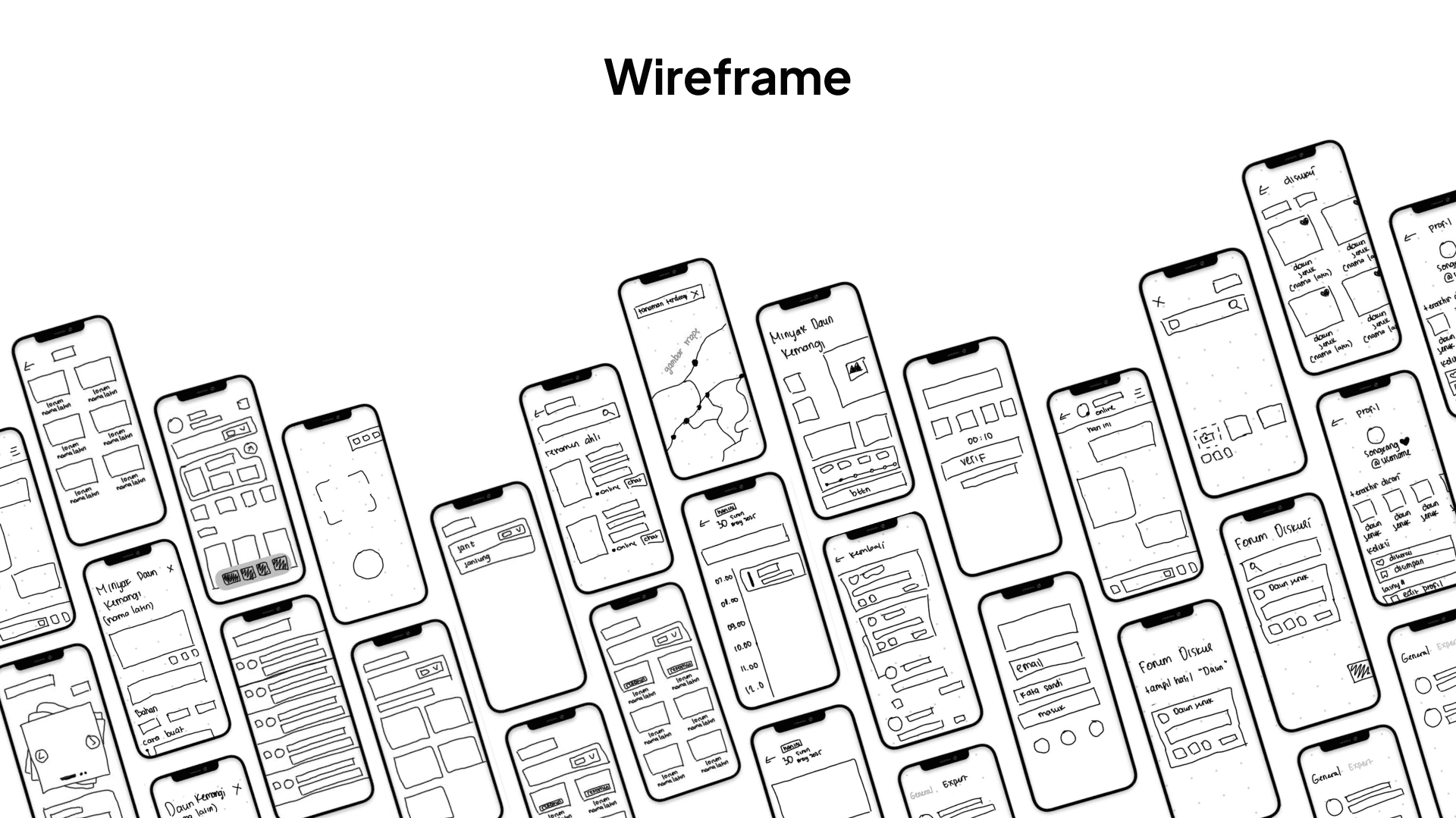
After our initial curation, we realized that several pages shared similar structures and could be merged. Through a few iterations and team discussions, the wireframes were streamlined into a more efficient page flow. At this stage, every element from layout to chart shapes remained a rough sketch meant to capture structure, not visual styling. This wireframe helped us validate the overall information architecture before moving into higher fidelity design.
Hi-Fi Design
Hi-Fi Design
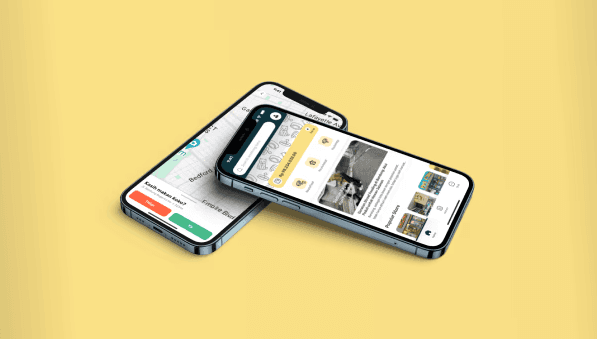
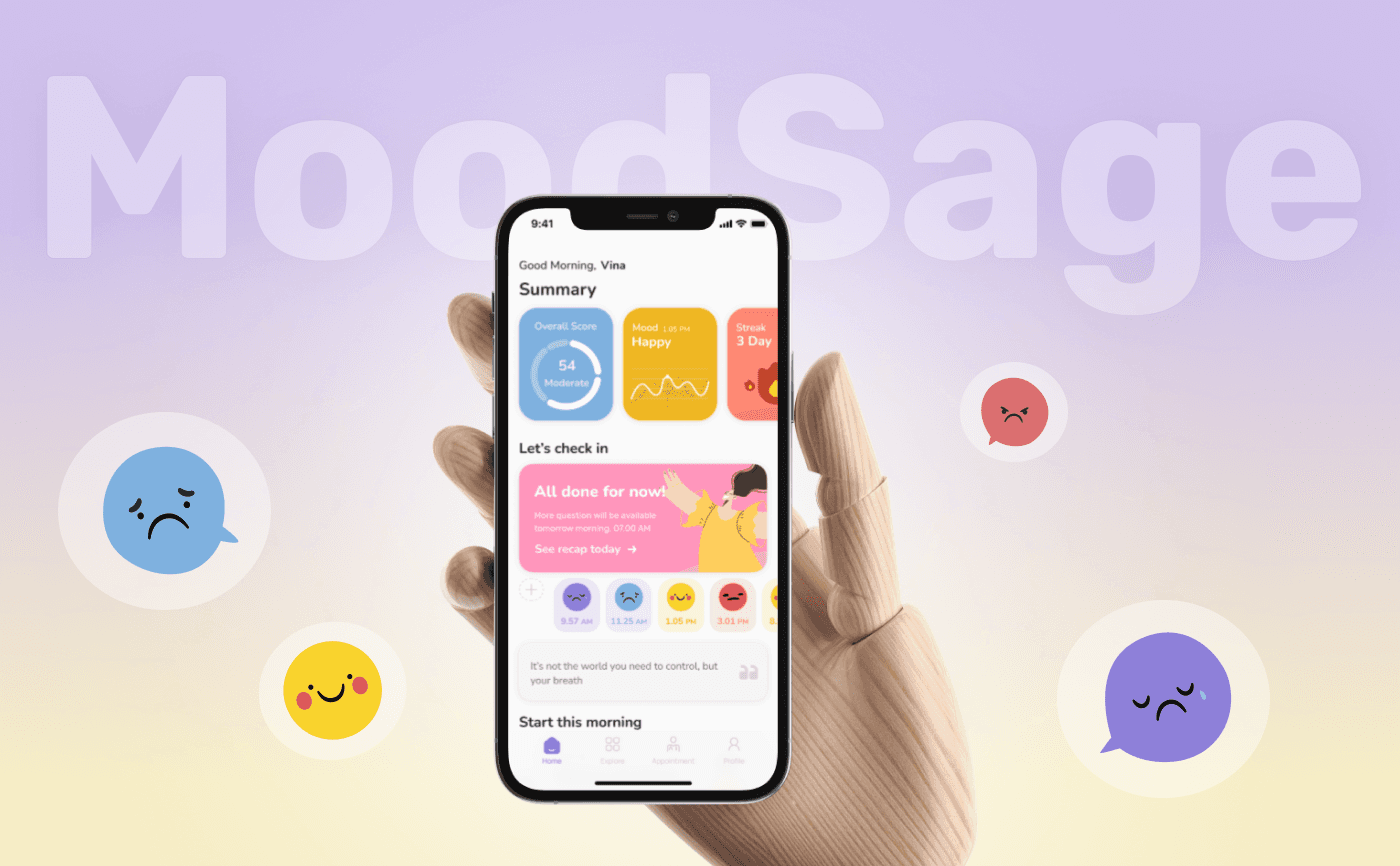
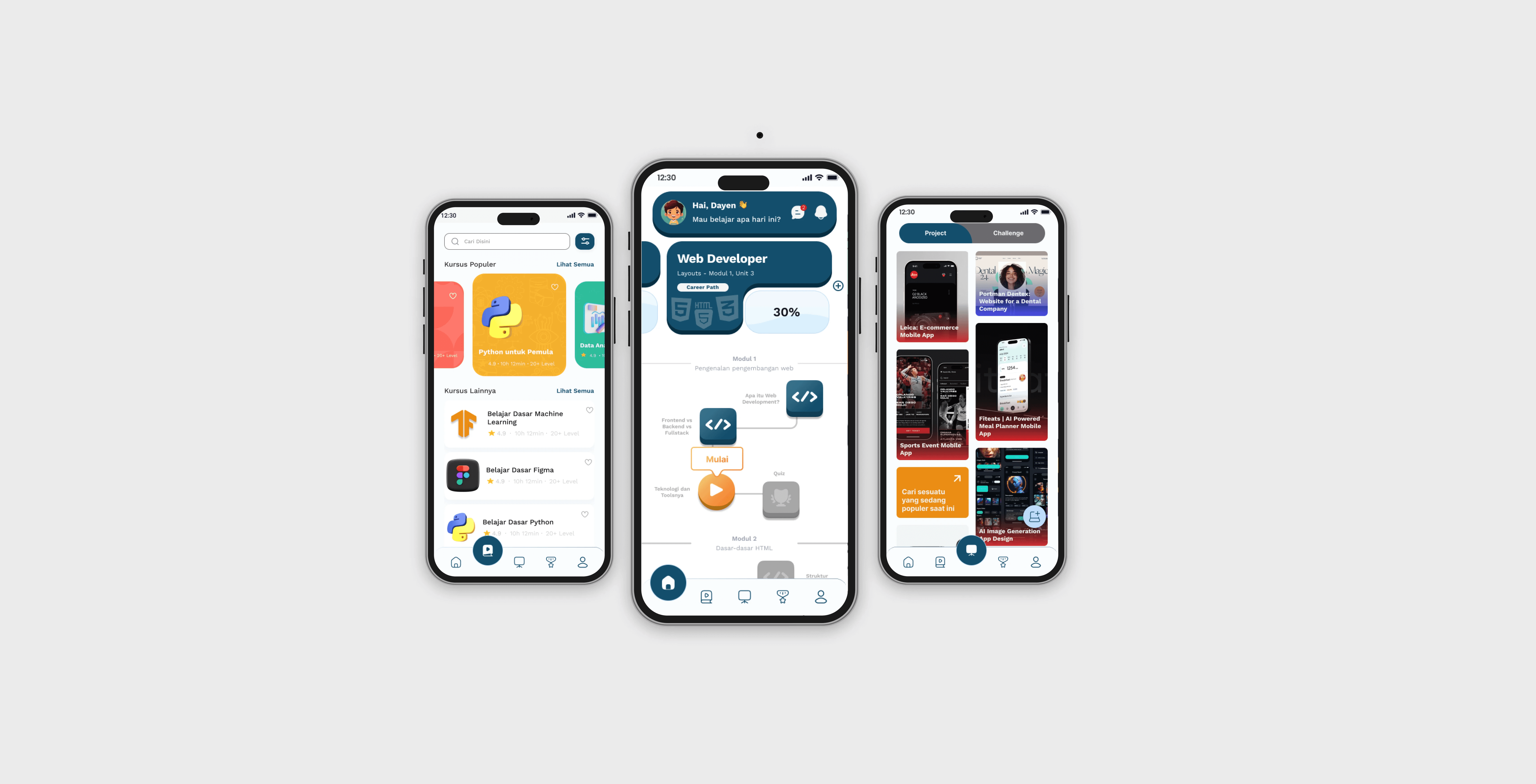
Building on the wireframes, we refined the flows and reduced unnecessary complexity. After another review with the team, the total number of pages was further streamlined into a more focused set that aligned with the product goals. The Hi-Fi designs reflect the final look and feel of the app, while the prototype demonstrates how users move through key interactions and core features
Building on the wireframes, we refined the flows and reduced unnecessary complexity. After another review with the team, the total number of pages was further streamlined into a more focused set that aligned with the product goals. The Hi-Fi designs reflect the final look and feel of the app, while the prototype demonstrates how users move through key interactions and core features
Development & Testing
Development & Testing
Once the Hi-Fi design and prototype were finalized, the developer team began building the product using the planned tech stack. Throughout development, we performed ongoing design-to-dev checks to ensure alignment with the intended interactions and visual details. The final build was then tested internally to validate functionality, usability, and edge-case behavior before moving into the next iteration.
Once the Hi-Fi design and prototype were finalized, the developer team began building the product using the planned tech stack. Throughout development, we performed ongoing design-to-dev checks to ensure alignment with the intended interactions and visual details. The final build was then tested internally to validate functionality, usability, and edge-case behavior before moving into the next iteration.

03
The Result
The Result


DON’T THINK.
JUST MESSAGE ME.
DON’T THINK. JUST MESSAGE ME.
Tell me about your idea, your vision, or just say hi.
Tell me about your idea, your vision, or just say hi.
Herbalyze
Herbalyze
Herbalyze
My Role
UI/UX Designer
UI/UX Designer
Deliverables
A dynamic photography project incorporating movement, slow shutter speeds, and intentional blur to create abstract storytelling.
Year
2024
Deliverables
A dynamic photography project incorporating movement, slow shutter speeds, and intentional blur to create abstract storytelling.
Year
2024
01
The What
The What
Herbalyze is a mobile platform that helps people easily recognise herbal plants around them and understand their accurate health benefits. Built to address Indonesia’s lack of accessible and trusted herbal knowledge, the app provides visual identification, simple explanations, and safe guidance for everyday users interested in natural remedies.
Herbalyze is a mobile platform that helps people easily recognise herbal plants around them and understand their accurate health benefits. Built to address Indonesia’s lack of accessible and trusted herbal knowledge, the app provides visual identification, simple explanations, and safe guidance for everyday users interested in natural remedies.
Pain
Can’t recognize plant names
Don’t know how to process herbs
Visual similarity between herbs
Lack of reliable digital tools
Pain
Can’t recognize plant names
Don’t know how to process herbs
Visual similarity between herbs
Lack of reliable digital tools
Gain
Clear guidance on how to prepare and use herbs safely
Easily distinguish visually similar herbs
Access to reliable, locally relevant digital tools for herbal information
Instantly recognize herbal plant names accurately
Gain
Clear guidance on how to prepare and use herbs safely
Easily distinguish visually similar herbs
Access to reliable, locally relevant digital tools for herbal information
Instantly recognize herbal plant names accurately
02
The Why
The Why
People are increasingly interested in natural healing, yet they still struggle to identify herbal plants accurately and access trusted, science-backed information. Many herbs look visually similar, online resources are conflicting, and existing plant-ID apps focus mainly on botany, not safe usage, dosage, or real herbal benefits. Users need a reliable, locally relevant tool that helps them recognize herbs through their camera, understand how to use them safely, and avoid misinformation. Herbalyze fills this gap by delivering accurate identification, expert-validated guidance, and a more user-friendly learning experience than current competitors.
People are increasingly interested in natural healing, yet they still struggle to identify herbal plants accurately and access trusted, science-backed information. Many herbs look visually similar, online resources are conflicting, and existing plant-ID apps focus mainly on botany, not safe usage, dosage, or real herbal benefits. Users need a reliable, locally relevant tool that helps them recognize herbs through their camera, understand how to use them safely, and avoid misinformation. Herbalyze fills this gap by delivering accurate identification, expert-validated guidance, and a more user-friendly learning experience than current competitors.
03
The How
The How
Herbalyze works by combining smart technology with user-friendly design to make herbal knowledge accessible and engaging. Users can instantly identify plants using the Plant Analyzer, explore verified information about their benefits, and follow step-by-step instructions for safe preparation. The app tracks user activities, such as stirring, drying, or storing herbs, to ensure accurate results and healthy plants. Community & Nearby Sharing and the Discussion Forum allow users to connect with other herbal enthusiasts, exchange knowledge, and consult experts or AI assistants for personalized guidance. Meanwhile, Profile & Collections help users organize their discoveries and learning progress, all accessible through a modern, clean, and intuitive interface that keeps users engaged and confident in their herbal journey.
Herbalyze works by combining smart technology with user-friendly design to make herbal knowledge accessible and engaging. Users can instantly identify plants using the Plant Analyzer, explore verified information about their benefits, and follow step-by-step instructions for safe preparation. The app tracks user activities, such as stirring, drying, or storing herbs, to ensure accurate results and healthy plants. Community & Nearby Sharing and the Discussion Forum allow users to connect with other herbal enthusiasts, exchange knowledge, and consult experts or AI assistants for personalized guidance. Meanwhile, Profile & Collections help users organize their discoveries and learning progress, all accessible through a modern, clean, and intuitive interface that keeps users engaged and confident in their herbal journey.
Idea Focus Zone
Idea Focus Zone
Based on the research findings that users struggle with plant identification and safe preparation, our team initiated a brainstorming session focused on defining actionable challenges.
Based on the research findings that users struggle with plant identification and safe preparation, our team initiated a brainstorming session focused on defining actionable challenges.
Ideas to Consider
Ideas to Consider
Next, we listed a wider range of ideas anything potentially valuable, even if not fully formed. At this stage, volume mattered more than perfection. These ideas became raw material that we would refine later.
Next, we listed a wider range of ideas anything potentially valuable, even if not fully formed. At this stage, volume mattered more than perfection. These ideas became raw material that we would refine later.
Ideas to Implement
Ideas to Implement
After reviewing feasibility, user value, and resource constraints, we selected the most promising directions.These were ideas that aligned with user needs, could bring real impact, and were achievable within our project scope.
After reviewing feasibility, user value, and resource constraints, we selected the most promising directions.These were ideas that aligned with user needs, could bring real impact, and were achievable within our project scope.
Concerns, Hopes, and Features
Concerns, Hopes, and Features
As the ideas matured, several concerns, hopes, and possible features surfaced naturally:
Concerns highlighted risks or potential user frustrations
Hopes expressed what we wanted users to feel or achieve
Feature directions began forming based on bot
This stage helped us stay grounded, balancing creativity with user reality.
As the ideas matured, several concerns, hopes, and possible features surfaced naturally:
Concerns highlighted risks or potential user frustrations
Hopes expressed what we wanted users to feel or achieve
Feature directions began forming based on bot
This stage helped us stay grounded, balancing creativity with user reality.
Crazy 8s
Crazy 8s
To push creativity further, we used the Crazy 8s method. Each of us sketched eight quick concepts in eight minutes forcing rapid thinking and unlocking unexpected ideas.This exercise helped us break patterns and explore more unique approaches that we wouldn't have considered in normal discussions.
To push creativity further, we used the Crazy 8s method. Each of us sketched eight quick concepts in eight minutes forcing rapid thinking and unlocking unexpected ideas.This exercise helped us break patterns and explore more unique approaches that we wouldn't have considered in normal discussions.
Emerging Possible Features
Emerging Possible Features
To push creativity further, we used the Crazy 8s method. Each of us sketched eight quick concepts in eight minutes forcing rapid thinking and unlocking unexpected ideas. This exercise helped us break patterns and explore more unique approaches that we wouldn't have considered in normal discussions.
To push creativity further, we used the Crazy 8s method. Each of us sketched eight quick concepts in eight minutes forcing rapid thinking and unlocking unexpected ideas. This exercise helped us break patterns and explore more unique approaches that we wouldn't have considered in normal discussions.
Reseach Methods
Reseach Methods
Our team conducted collaborative research through a structured brainstorming process involving three core members. We began with a group ideation session, where each member contributed initial insights based on user problems, SDGs alignment, and opportunities for herbal education.
We began our research by gathering as a team of three and brainstorming openly about people’s struggles with herbal plants. Every idea went into our Idea Focus Zone, a space where we could see everything clearly before judging it. From there, we organized the ideas into three groups — what to adjust, what to implement, and what to ignore for now while keeping our SDGs target in mind.
Next, we turned our key questions into How Might We prompts to frame the problem from the user’s point of view. Each HMW helped us break down user concerns, hopes, and the features that could realistically solve their needs. This made it easier to identify which features should be prioritized in the first version.
Finally, we translated the insights into a clean page structure and divided the tasks among the team, ensuring everyone knew their focus and the value it brought to the overall experience.
Our team conducted collaborative research through a structured brainstorming process involving three core members. We began with a group ideation session, where each member contributed initial insights based on user problems, SDGs alignment, and opportunities for herbal education.
We began our research by gathering as a team of three and brainstorming openly about people’s struggles with herbal plants. Every idea went into our Idea Focus Zone, a space where we could see everything clearly before judging it. From there, we organized the ideas into three groups — what to adjust, what to implement, and what to ignore for now while keeping our SDGs target in mind.
Next, we turned our key questions into How Might We prompts to frame the problem from the user’s point of view. Each HMW helped us break down user concerns, hopes, and the features that could realistically solve their needs. This made it easier to identify which features should be prioritized in the first version.
Finally, we translated the insights into a clean page structure and divided the tasks among the team, ensuring everyone knew their focus and the value it brought to the overall experience.
The Insights
The Insights
As we organized everything from our brainstorming, a few clear patterns started to stand out. We realized that most people aren’t actually lacking interest in herbs, they’re lacking clarity. Many struggle to tell one plant from another, especially when they look almost identical. Even when they do find information online, it often contradicts each other, leaving them unsure about what’s safe or effective.
We also noticed that users don’t just want to “identify” plants. They want guidance: how to prepare them, how much to use, what benefits to expect, and what risks to avoid. The tools that exist today help with plant names, but they stop right where users actually need support the most.
Another insight came from observing how people learn. Herbal knowledge thrives in communities, yet there’s no digital place that brings enthusiasts together to share experiences, ask questions, or learn from one another. On top of that, users appreciate small nudges like reminders or progress tracking to stay consistent with their herbal habits.
All these insights helped us see that the real opportunity wasn’t just about building a plant scanner, but creating a reliable, guided, and community-centered herbal experience.
As we organized everything from our brainstorming, a few clear patterns started to stand out. We realized that most people aren’t actually lacking interest in herbs, they’re lacking clarity. Many struggle to tell one plant from another, especially when they look almost identical. Even when they do find information online, it often contradicts each other, leaving them unsure about what’s safe or effective.
We also noticed that users don’t just want to “identify” plants. They want guidance: how to prepare them, how much to use, what benefits to expect, and what risks to avoid. The tools that exist today help with plant names, but they stop right where users actually need support the most.
Another insight came from observing how people learn. Herbal knowledge thrives in communities, yet there’s no digital place that brings enthusiasts together to share experiences, ask questions, or learn from one another. On top of that, users appreciate small nudges like reminders or progress tracking to stay consistent with their herbal habits.
All these insights helped us see that the real opportunity wasn’t just about building a plant scanner, but creating a reliable, guided, and community-centered herbal experience.
The Design
The Design
Wireframe
Wireframe
After our initial curation, we realized that several pages shared similar structures and could be merged. Through a few iterations and team discussions, the wireframes were streamlined into a more efficient page flow. At this stage, every element from layout to chart shapes remained a rough sketch meant to capture structure, not visual styling. This wireframe helped us validate the overall information architecture before moving into higher fidelity design.
After our initial curation, we realized that several pages shared similar structures and could be merged. Through a few iterations and team discussions, the wireframes were streamlined into a more efficient page flow. At this stage, every element from layout to chart shapes remained a rough sketch meant to capture structure, not visual styling. This wireframe helped us validate the overall information architecture before moving into higher fidelity design.
Hi-Fi Design
Hi-Fi Design
Building on the wireframes, we refined the flows and reduced unnecessary complexity. After another review with the team, the total number of pages was further streamlined into a more focused set that aligned with the product goals. The Hi-Fi designs reflect the final look and feel of the app, while the prototype demonstrates how users move through key interactions and core features
Building on the wireframes, we refined the flows and reduced unnecessary complexity. After another review with the team, the total number of pages was further streamlined into a more focused set that aligned with the product goals. The Hi-Fi designs reflect the final look and feel of the app, while the prototype demonstrates how users move through key interactions and core features
Development & Testing
Development & Testing
Once the Hi-Fi design and prototype were finalized, the developer team began building the product using the planned tech stack. Throughout development, we performed ongoing design-to-dev checks to ensure alignment with the intended interactions and visual details. The final build was then tested internally to validate functionality, usability, and edge-case behavior before moving into the next iteration.
Once the Hi-Fi design and prototype were finalized, the developer team began building the product using the planned tech stack. Throughout development, we performed ongoing design-to-dev checks to ensure alignment with the intended interactions and visual details. The final build was then tested internally to validate functionality, usability, and edge-case behavior before moving into the next iteration.
03
The Result
The Result
DON’T THINK.
JUST MESSAGE ME.
Tell me about your idea, your vision, or just say hi.